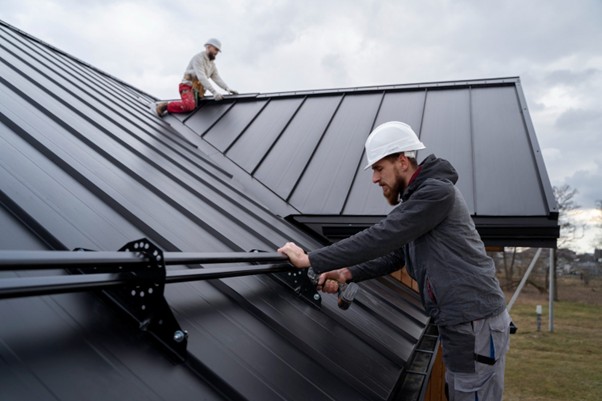
A commercial roofing system is more than a shell over your building. It shields your interior from weather, must support mechanical loads, and fend off deterioration. When neglected, small issues compound into leaks, structural damage, and premature failure. With a few years of diligent care, you can stretch the service life of your roof by 25–50 percent or more. In an environment like Tucson, where sun, heat, and occasional storms stress roofing membranes, proper maintenance is not optional,it’s essential.
Here we walk through a practical, professional guide to sustaining your roof’s performance and avoiding avoidable replacement.
Inspections are your first line of defense. Do a full rooftop survey twice annually , ideally in spring and autumn. During those walks, look for membrane cracks, punctures, blisters, pooled water, seam separation, and failing flashings. Use infrared or thermal scanning if possible to detect hidden moisture beneath the surface. Back up visual observations with photos and a recorded log.
Leaves, dirt, branches, and other debris tend to accumulate in corners, over drains, and near roof penetrations. This clutter can block gutters or scuppers and cause standing water, which stresses membranes. Clearing drains and gutters regularly ensures water does not pool. That reduces the risk of leaks or premature membrane fatigue.
Small tears, punctures, or seam gaps should never wait. Moisture and wind can exacerbate them overnight. Use compatible patch materials or adhesives matched to your membrane system. Address flashing, sealant, and membrane joints promptly to prevent further deterioration.
Areas around HVAC units, vents, skylights, and rooftop equipment are frequent failure points. The sealants or caulking used there degrade over time under sun and heat. Re-seal these parts year to year, and inspect the flashing edges for signs of pulling or blistering.
A reflective or elastomeric coating can shield the membrane from UV radiation, reduce thermal expansion stress, and slow aging. Choose a coating system compatible with your existing roofing substrate (TPO, EPDM, modified bitumen, etc.). Coatings also improve energy performance by lowering roof surface temperature.
Limit foot traffic on membranes. Restrict access to trained personnel using walking pads or designated paths. Punctures or undue wear occur when tools, foot traffic, or contractors roam freely with improper footwear or equipment.
After thunderstorms, high winds, hail, or sudden temperature shifts, perform an extra inspection. High winds may lift membrane edges; hail can score or puncture surfaces; thermal cycling might open seams. Early detection after extreme weather can save large repair costs.
Record every inspection, repair, and material used. Over time you build a roof history that highlights recurring weak spots. Use that data to refine your preventive schedule,knowing which areas degrade faster, when to recoat, or when to intensify checks.
Because your focus is “Commercial Roofing Tucson,” it is helpful to recognize the specific stresses in that region:
Given these, your maintenance plan must emphasize UV protection, efficient drainage, and resilient sealing practices.
Some inspections and repairs require technical skill, especially when:
That is where Fletcher Roofing Company steps in. We specialize in Commercial Roofing Tucson and bring years of experience with local conditions. Call us at +1-520-675-3298 to schedule a professional inspection or maintenance service.
Extending the life of your commercial roof does not demand heroic effort. It takes scheduled vigilance: inspecting, cleaning, sealing, and applying protective coatings. Over time, these tasks compound in value. Your roof stays watertight, your repair costs drop, and your building remains secure.
Let Fletcher Roofing Company be your local partner in preserving your roof. Call +1-520-675-3298 now to arrange a maintenance appointment or get expert advice tailored to Commercial Roofing Tucson.

Fields marked with an * are required